
Dealing with coffee and red wine stains that toothpaste alone won't touch? Dentist Open Now connects you with a specialist in Superior, WI who treats this specific issue every week, not occasionally.
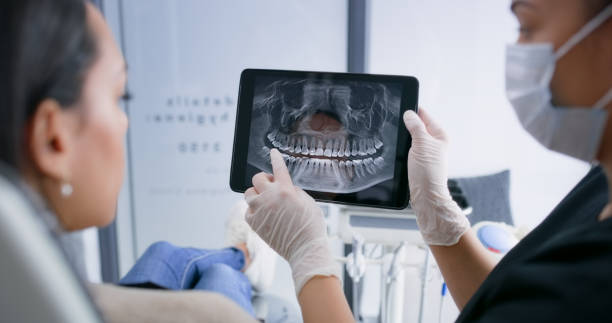
One call gets you matched with a specialist and a confirmed time — not a callback promise.
+1-866-227-2801 Call Now
Not all discoloration responds the same way to whitening, which is why a proper consult starts by identifying whether the staining is surface-level or set deeper in the tooth. Surface staining from food and drink typically responds fastest to professional-strength whitening treatments. Intrinsic staining, like the kind caused by certain medications or old trauma to a tooth, may need veneers or bonding instead of whitening alone.
In-office whitening uses a higher-concentration gel activated under controlled conditions, delivering visible results in a single sitting. Take-home trays with custom-fitted guards are often paired with the in-office visit for touch-ups down the road.
Results fade faster for patients who go right back to the same staining habits, which is why most providers give you a short list of things to avoid for the first 48 hours. Occasional touch-ups, rather than repeating a full treatment, tend to be all that's needed to hold onto the results.
Higher peroxide concentrations than store-bought kits, applied under supervision for safety.
Enamel sensitivity is monitored throughout the session, with treatment paused if needed.
A single appointment is usually enough for a visible shade improvement, unlike gradual take-home-only kits.
Fitted trays let you touch up results at home between office visits.
Whatever the specifics of your case, the specialist you reach through us has handled it before.
A single session using clinical-strength gel activated under controlled light or heat.
Ideal for gradual whitening or ongoing touch-ups after an initial in-office visit.
Surface stains from coffee, wine, or tobacco are treated differently than deeper intrinsic discoloration.
Patients with sensitive teeth can still whiten safely with a modified protocol.
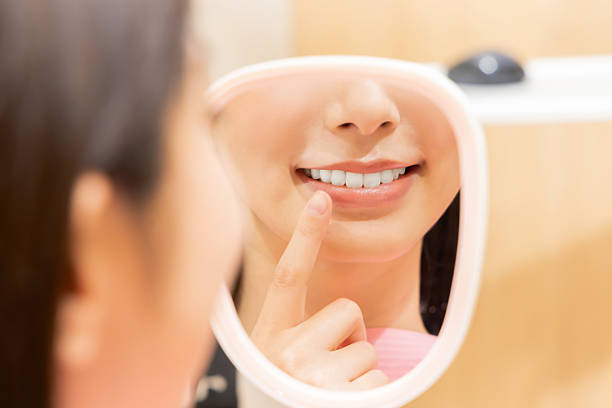
An exam checks for cavities or exposed roots that whitening gel could otherwise irritate.
For stains whitening can't fully lift, bonding covers the remaining discoloration selectively.
A coordinator answers and asks a few quick questions about your specific case and how soon you need care.
Based on your case and location in Superior, WI, we find a provider with room on the schedule soon.
You get a clear explanation of the treatment plan and its cost before any work begins.
Treatment proceeds on the agreed plan, with clear aftercare instructions and a follow-up if the case calls for one.
"Explained every step before doing anything. First time a dental visit didn't feel rushed."
"Got in faster than I expected for something this specific. Staff were sharp and direct."
"Price they quoted on the phone matched the invoice exactly. No surprise charges."
Most patients see a noticeable difference, though the exact shade change depends on the type of staining present.
Desensitizing steps are built into the protocol for patients who are prone to sensitivity.
Touch-up trays can extend results well past a year for patients who maintain them consistently.
Professional treatment is monitored for gum protection and uses controlled concentrations, unlike unsupervised home kits.
Most adults are candidates, though your provider will flag cases better suited to veneers or bonding instead.
Pricing is confirmed upfront and varies based on the specific whitening method chosen.
Our coverage spans Superior and its surrounding area, matching you with the closest available specialist.
Licensed to practice in WI, credential-checked before joining the network.
Call now and a real coordinator will match you with a specialist and a confirmed time.
Call +1-866-227-2801 Now